
Missing teeth affect far more than your appearance — they can compromise your bite, cause neighboring teeth to shift, and lead to bone loss over time. At Attune Dentistry in Jupiter, FL, Dr. Andrea Diaz, DMD offers fixed and implant-supported dental bridges to restore your smile, your function, and your confidence. Whether you're missing one tooth or several consecutive teeth, we have an effective, long-lasting solution for you.
We proudly serve patients from Jupiter, Palm Beach Gardens, Juno Beach, Tequesta, and Hobe Sound.
What Is a Dental Bridge?
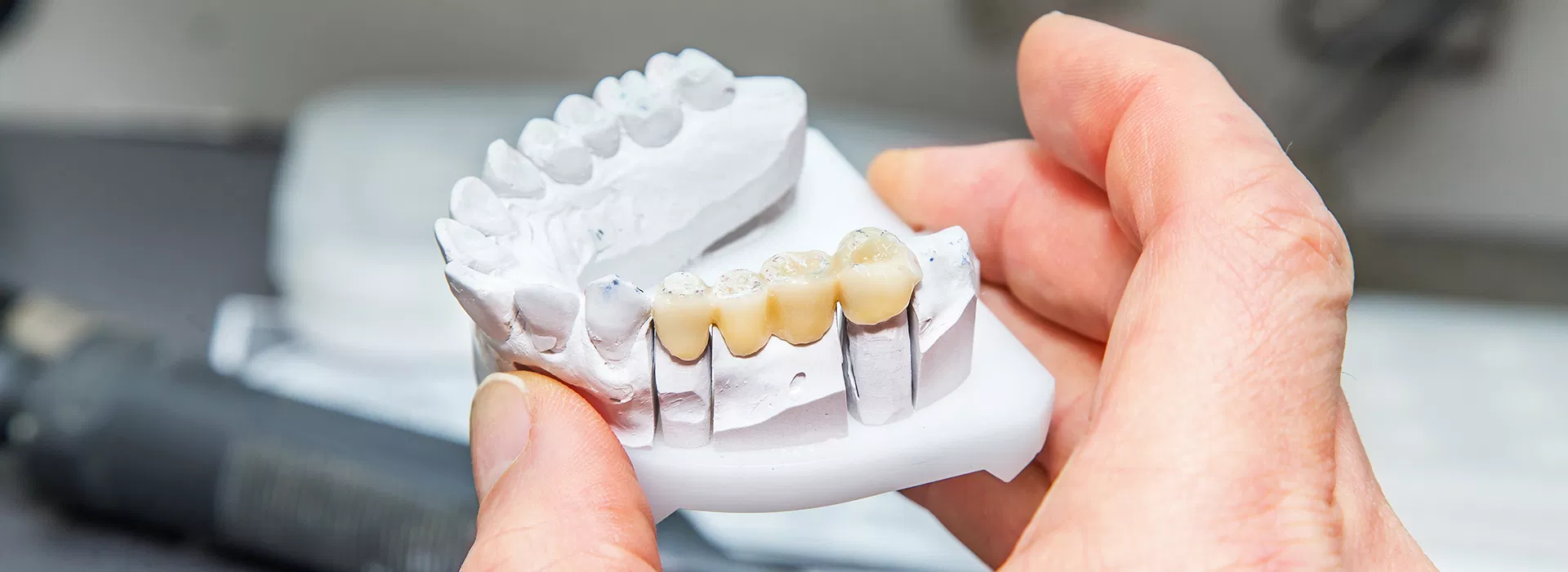
A dental bridge is a fixed restoration that literally "bridges" the gap created by one or more missing teeth. It consists of one or more artificial teeth (called pontics) that are anchored in place by crowns on the adjacent natural teeth or by dental implants. Unlike removable dentures, a dental bridge is cemented permanently in place — you eat, speak, and care for it just like your natural teeth.
How Missing Teeth Affect Your Oral Health
When a tooth is lost, the effects on your oral health can be significant and progressive:
- Shifting teeth: Neighboring teeth begin to drift into the empty space, disrupting your bite and alignment
- Bone loss: The jawbone beneath a missing tooth begins to resorb (shrink) because it no longer receives stimulation from a tooth root
- Changed bite: Misalignment from shifting teeth can lead to uneven wear, jaw pain, or TMJ issues
- Difficulty chewing: Missing back teeth make it harder to eat a balanced, nutritious diet
- Aesthetic impact: A visible gap affects your smile and self-confidence
Replacing a missing tooth promptly with a dental bridge or implant preserves the surrounding teeth and supporting bone structure.
Types of Dental Bridges We Offer
Dr. Diaz offers several bridge options to suit different clinical situations and patient goals:
- Traditional fixed bridge: The most common type — crowns are placed on the two teeth adjacent to the gap (called abutment teeth), with the pontic suspended between them. Requires reshaping of the abutment teeth.
- Implant-supported bridge: Instead of relying on adjacent natural teeth for support, the bridge is anchored to dental implants. This preserves the neighboring teeth and stimulates the jawbone. The gold standard for replacing multiple consecutive missing teeth.
- Cantilever bridge: Used when there is only one adjacent tooth available for support. Less common, typically limited to lower-stress areas of the mouth.
- Maryland (resin-bonded) bridge: A conservative option for the front teeth — the pontic is held in place by metal or porcelain wings bonded to the backs of adjacent teeth, with minimal tooth preparation required.
What to Expect: Getting a Traditional Dental Bridge
A traditional bridge is typically completed in two appointments at our Jupiter office:
- Appointment 1: Dr. Diaz numbs the area and prepares the abutment teeth by removing a thin layer of enamel to accommodate the crowns. Digital impressions are taken and sent to the dental lab. A temporary bridge protects the prepared teeth in the interim.
- Appointment 2: Once the custom bridge arrives (approximately 2–3 weeks), Dr. Diaz checks the fit, bite, and aesthetics, then permanently cements it. Most patients leave with a fully restored smile within an hour.
What to Expect: Getting an Implant-Supported Bridge
An implant-supported bridge takes longer because the implants need to integrate with the jawbone before the bridge is attached:
- Implant placement: Titanium implant posts are surgically placed into the jawbone at the sites of the missing teeth. A healing period of 3–6 months allows osseointegration (the implants fusing with the bone).
- Abutment attachment: Once healed, small connector pieces (abutments) are attached to the implants.
- Bridge placement: The custom-fabricated bridge is secured to the abutments — providing a stable, permanent, and bone-preserving restoration.
Benefits of Dental Bridges
- Restores your ability to chew and speak normally
- Prevents neighboring teeth from shifting into the gap
- Maintains your facial structure and prevents the sunken appearance associated with tooth loss
- Fixed and permanent — no removal, no adhesives
- Natural-looking tooth-colored materials blend with your smile
- Implant-supported bridges also preserve jawbone volume
Who Is a Candidate for a Dental Bridge?
You may be a good candidate for a dental bridge if you are missing one or more consecutive teeth and have healthy adjacent teeth or sufficient bone for implants. Dr. Diaz will evaluate your oral health, take X-rays, and discuss which type of bridge best suits your anatomy, budget, and long-term goals. In some cases, a single dental implant or partial denture may also be considered as alternatives.
Frequently Asked Questions — Dental Bridges in Jupiter, FL
How long do dental bridges last?
A well-maintained traditional bridge typically lasts 10–15 years. Implant-supported bridges can last significantly longer — often 20+ years — because they are anchored to stable implants rather than natural teeth.
Is the bridge procedure painful?
No. Dr. Diaz uses local anesthesia to keep you completely comfortable during the preparation appointment. Mild soreness afterward is normal and short-lived.
Will my bridge look natural?
Yes. We use tooth-colored porcelain and zirconia materials that are custom-shaded to match your surrounding teeth. Most people cannot tell the difference between a bridge and natural teeth.
How do I clean a dental bridge?
Brush normally twice daily. For the area beneath the pontic (where the artificial tooth meets the gumline), use a floss threader, interdental brush, or water flosser to clean underneath the bridge. Dr. Diaz's team will show you the best technique at your placement appointment.
What does a dental bridge cost in Jupiter, FL?
Cost depends on the number of teeth being replaced and the type of bridge used. Our Attune Membership Plan offers significant discounts on procedures including bridges, and we provide competitive, transparent pricing with flexible financing options so there are no surprises.
Is a bridge better than an implant?
Both are excellent options. A single dental implant is often preferred for replacing one tooth because it doesn't require altering the adjacent teeth and it preserves the jawbone. A bridge may be preferred when bone volume is insufficient for an implant or when adjacent teeth already need crowns. Dr. Diaz will help you choose the best solution for your situation.
How soon after losing a tooth should I get a bridge?
As soon as possible. The longer the gap remains, the more the neighboring teeth can shift and the more bone loss can occur. Call us at (561) 702-0039 to schedule a consultation with Dr. Diaz.
Replace Missing Teeth with a Dental Bridge at Attune Dentistry
Don't let a missing tooth compromise your health and confidence. Dr. Andrea Diaz, DMD at Attune Dentistry in Jupiter, FL can restore your smile with a natural-looking, durable dental bridge tailored to your needs. We're located at 240 West Indiantown Road, Suite 102, Jupiter, FL 33458, and serve patients from Palm Beach Gardens, Juno Beach, Tequesta, and Hobe Sound.
Call (561) 702-0039 or book your appointment online today.